
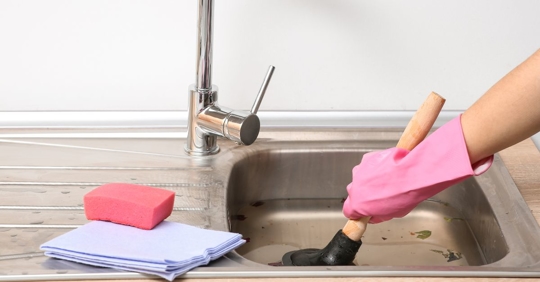
Clogged drains can feel like a constant battle—one you barely fix before another backup appears. Whether it’s a slow-moving sink, a shower that pools at your feet, or a toilet that needs frequent plunging, recurring blockages often signal an underlying issue. Understanding what’s causing these clogs is the first step toward keeping your plumbing clear for the long term.
Common Causes of Repeat Drain Clogs
1. Build-Up From Everyday Use
Soap residue, toothpaste, hair, food debris, grease, and cleaning products gradually layer inside your pipes. Even if each item seems harmless on its own, they eventually form a thick, sticky lining that restricts water flow. Once the inside of the pipe narrows, clogs become far more frequent.
2. Flushing or Draining the Wrong Items
Many recurring clogs come down to what’s going into the drains. Items like wipes (even “flushable” ones), cotton balls, feminine hygiene products, coffee grounds, and cooking grease don’t break down in the plumbing system. Instead, they create blockages that worsen over time.
3. Hard Water and Mineral Buildup
Sonoma County’s water can leave behind stubborn mineral deposits. These deposits harden inside your pipes, reducing their diameter and making it easier for debris to collect. Even high-efficiency fixtures can’t overcome the strain caused by mineral buildup.
4. Older or Damaged Pipes
Aging plumbing systems are more prone to corrosion, sagging, and internal roughness—all perfect conditions for persistent clogs. Even small imperfections can trap debris and create backups that keep returning no matter how often you clean the drain.
5. Tree Root Intrusion
Outdoor drains and sewer lines are especially vulnerable to tree roots. Over time, roots grow toward moisture and enter even tiny cracks in a pipe. Once inside, they expand and act like a net, catching debris and causing repeat blockages.
How to Prevent Drain Clogs for Good
1. Install Drain Screens
A simple screen can prevent hair, food scraps, and foreign objects from entering your drains. This small step dramatically reduces the most common sources of clogs.
2. Dispose of Grease and Food Waste Properly
Grease should always go into a sealed container and into the trash once cooled. Food scraps, coffee grounds, and fibrous vegetables should also be discarded in the garbage rather than rinsed down the sink.
3. Use Hot Water Maintenance
Running hot water down the drain after using the sink helps loosen and wash away small amounts of buildup before they become a problem. This works especially well in kitchen sinks.
4. Schedule Routine Professional Cleaning
Professional drain cleaning reaches deeper than store-bought products or plunging. Techniques like hydro jetting remove years of buildup and restore pipes to full capacity, helping to prevent recurring issues.
5. Address Early Warning Signs
Slow drainage, gurgling noises, or unpleasant odors are all clues that a clog is forming. Taking action early can prevent a complete blockage.
Get Long-Term Relief From Recurring Drain Problems
Persistent drain clogs are more than a nuisance—they’re a sign your plumbing needs expert attention. Whether the cause is buildup, aging pipes, or something more complex, Rooter Man Sonoma County provides thorough, long-lasting solutions that keep your drains flowing the way they should. For reliable diagnostics and professional drain cleaning services, contact Rooter Man Sonoma County today at (707) 659-0936.